Srinagar, Feb 22: An unusually hot February has alarmed Kashmir. On Saturday, mercury shot up to over 21 degrees Celsius, 10 notches above the average temperature, shattering the previous record high of 20.6 degrees set on February 24, 2016.
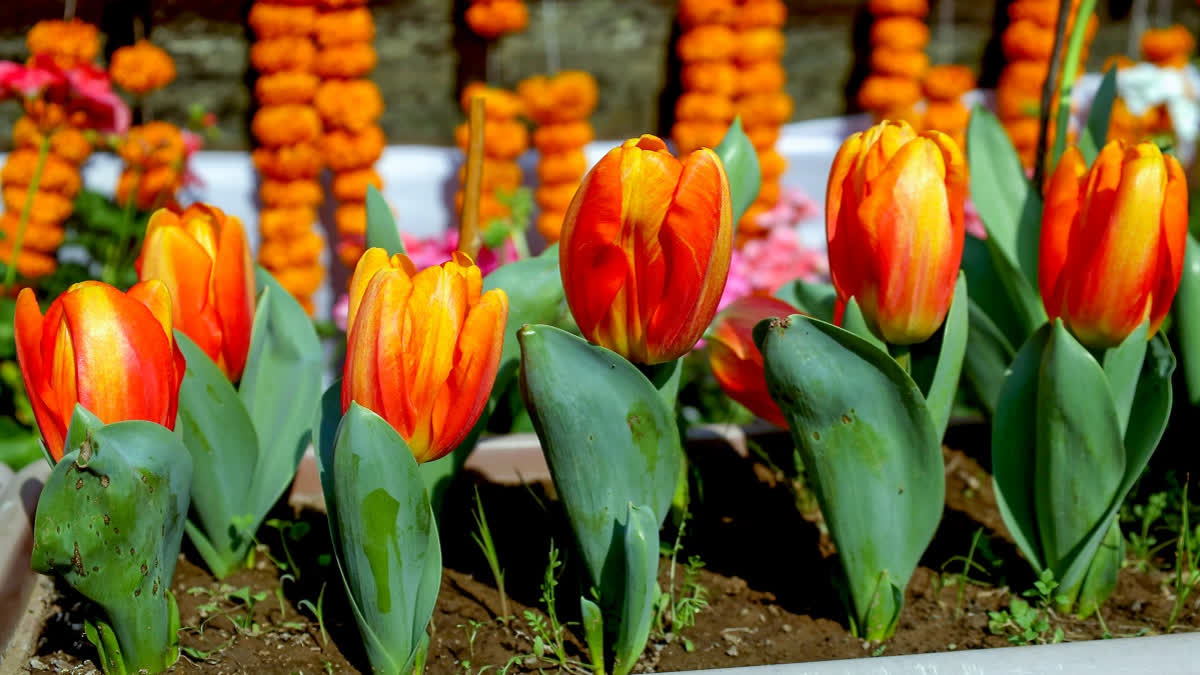
The temperature being experienced nowadays is what Kashmir would witness in April, when spring would be in full bloom, while mornings and evenings would still carry a touch of wintry air.
The atypical weather comes as the region grapples with a staggering over 55 per cent precipitation deficit during the peak winter. The spike is seen as an extraordinary deviation for late winter months as people started giving up pherans and woollens.
“This heat is something unusual. We have stopped lighting hamaam or heaters. There is no requirement for these things as nights too are getting warmer,” said 65-year-old Ali Mohammad of Srinagar.
Independent weather forecaster Faizan Arif described the surge as part of a broader and intensifying warm spell triggered by the lack of Western Disturbance that can usher wet spell in the region.
“Kashmir is presently witnessing temperatures that are strikingly similar to what is normally recorded in mid-April,” he said.
Experts warn that sustained high temperatures following the precipitation deficit could spur early snowmelt in the higher reaches of the Himalayan region, raising fears of cascading impact on the environment.
Climate scientist Prof Shakeel Ahmad Romshoo noted the Kashmir Valley has experienced a pronounced warming trend in the last five to six years.
“Reduced snowfall and warmer spring temperatures are triggering earlier melting of seasonal snowpacks and glaciers, thereby disrupting the natural timing and availability of meltwater that sustains rivers, springs, and groundwater recharge systems. These changes are already contributing to declining snow accumulation, reduced stream flows and increasing water stress in many parts of Jammu and Kashmir,” he told.
The western rivers, including the Jhelum, Chenab and its tributaries, rely on snowpack accumulation. While rapid melting is expected to trigger a short-term rise in water levels, increasing the risk of flooding, it is expected to potentially trigger lower discharge during the summer, when farms need irrigation.