Washington, Feb 21: US President Donald Trump may have lost the tariff battle for now after the US Supreme Court struck down his sweeping measures. But Trump has got some supporters, within the Supreme Court.
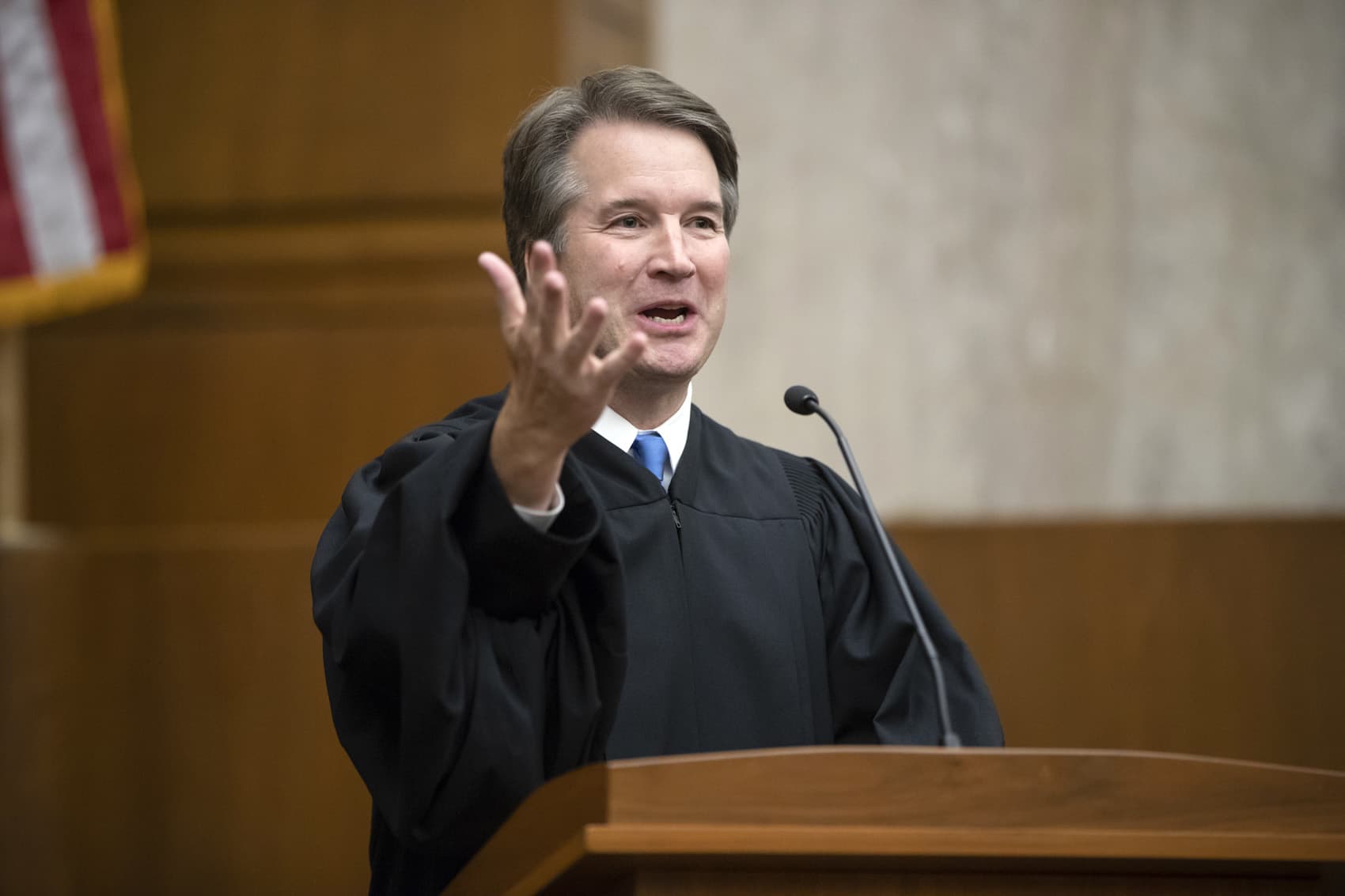
Of the bench of nine judges that ruled against Trump’s tariff war, three dissented. They were Justices Brett Kavanaugh, Clarence Thomas and Samuel Alito.
Justice Kavanaugh, supporting the imposition of tariffs, warned that the immediate consequences of the ruling could be significant, including potential multi-billion-dollar refunds by the US.
“In the meantime, however, the interim effects of the Court’s decision could be substantial. The United States may be required to refund billions of dollars to importers who paid the IEEPA tariffs, even though some importers may have already passed on costs to consumers or others,” Justice Kavanaugh noted in his dissent.
He said there are still several federal statutes that provide the US president with broad authority to impose tariffs.
Specifically, he pointed out that Section 232 of the Trade Expansion Act; Sections 122, 201, and 301 of the Trade Act, and Section 338 of the Tariff Act under US federal law grant the US president “expansive tariff authority.”
The majority ruling held that the US president lacked authority under the 1977 International Emergency Economic Powers Act (IEEPA) to impose sweeping import duties on goods from nearly all US trading partners.
Trump, however, signed another order making a 10 per cent global tariff on all countries, effective “almost immediately”.
Trump, referring to the supreme court decision as “ludicrous”, added that this decision benefits other countries but not the US. He further alleged that the courts are “swayed by foreign interests.”
“Foreign countries that have been ripping us off for years are ecstatic. They are dancing in the streets, but they won’t be dancing for long… Those justices are a disgrace to our nation… The court has been swayed by foreign interests and a political movement that is far smaller than people would ever think,” he said.
Trump specifically noted that “the India deal is on,” suggesting that recent bilateral trade agreements would be maintained through these new legal pathways.