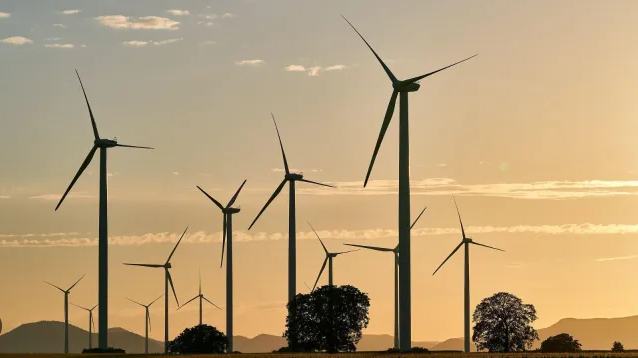
India’s progress in renewable energy is encouraging, but expanding electricity generation capacity alone cannot guarantee energy security. The real challenge lies in storing the power generated, transmitting it to areas of demand and ensuring a reliable supply to consumers. Building a system capable of converting renewable energy capacity into dependable electricity is now central to India’s energy transition. s of July 31, 2026, India’s installed non-fossil fuel electricity capacity stood at 300.50 GW, accounting for more than 54% of its total installed capacity. Solar power contributed 164.59 GW and wind power 58.14 GW. India has already crossed its earlier commitment to source 50% of installed electricity capacity from non-fossil sources ahead of the 2030 deadline. Its next ambition is to achieve 500 GW of non-fossil fuel capacity by 2030. This is a significant achievement, but installed capacity should not be confused with actual electricity generation.
Solar power is largely available during daylight hours, while wind generation depends on weather conditions. Electricity demand, however, continues throughout the day and often peaks when solar generation declines. Battery energy storage systems and pumped-storage hydropower are therefore essential to bridge the gap between generation and consumption. The Central Electricity Authority’s transmission plan for integrating 500 GW of renewable energy envisages 47 GW of battery storage and 31 GW of pumped-storage capacity. These plans must translate into projects on the ground without delays. Transmission infrastructure is equally important. Many of India’s best solar and wind resources are located far from major centres of electricity consumption. Without adequate transmission lines and grid connectivity, the power generated cannot reach consumers. An Ember study estimated that transmission constraints prevented the utilisation of about 300 GWh of renewable electricity during January–March 2026. Total renewable electricity curtailment during the period was estimated at 470 GWh. This highlights a serious mismatch between the expansion of generation capacity and the readiness of transmission infrastructure. Investment in power generation must be matched by equally strong investment in the grid. India must also approach its continued dependence on coal realistically. Despite the rapid expansion of renewable energy, coal-fired power plants remain important for meeting uninterrupted electricity demand. Reducing conventional generation before adequate storage and alternative supply systems are in place could undermine energy security. The transition must therefore be gradual, reducing dependence on fossil fuels while expanding clean energy and making thermal power stations more flexible to meet changing grid requirements.
The economic and industrial challenges are equally significant. Land acquisition, financing constraints and delays in approvals can slow renewable energy projects. Dependence on imported solar components, battery technologies and critical minerals also exposes India to global supply disruptions. Strengthening domestic manufacturing, research, technological innovation and battery recycling is essential to reduce this dependence and improve long-term energy security.
The benefits of renewable energy must also reach ordinary consumers. Rooftop solar systems, solar-powered agricultural pumps and decentralised electricity generation can reduce energy costs and improve access, particularly in rural areas. However, high initial investment and limited access to finance remain barriers for households and small businesses. Clean energy should not become an opportunity available only to financially stronger consumers. Affordable credit and adequate technical support are necessary to make the transition inclusive.
Addressing these challenges requires closer coordination between the Centre and the States. Investment in storage projects, modern transmission networks, efficient grid management and financially stronger electricity distribution companies must become policy priorities. At the same time, environmental safeguards relating to land acquisition, forests and water resources cannot be overlooked. India’s renewable energy transition must move beyond simply increasing the number of solar and wind power plants. The objective should be to integrate generation, storage, transmission and distribution into a reliable system that delivers affordable electricity. Achieving 500 GW of non-fossil capacity by 2030 will be an important milestone, but it should not be the sole measure of success. The real test will be how much clean electricity reaches consumers, how effectively it reduces dependence on fossil fuels and how reliably the power system meets demand.
India has demonstrated its ability to expand renewable energy capacity at an impressive pace. The next task is to turn that capacity into a dependable foundation for economic development and energy security. The success of India’s energy transition will be measured not merely by how much electricity it generates, but by how efficiently it stores, transmits and delivers that power to consumers.
J M R DUNGA
M.sc( Maths ),M.sc( Physics)
Senior Teaching Faculty in Maths