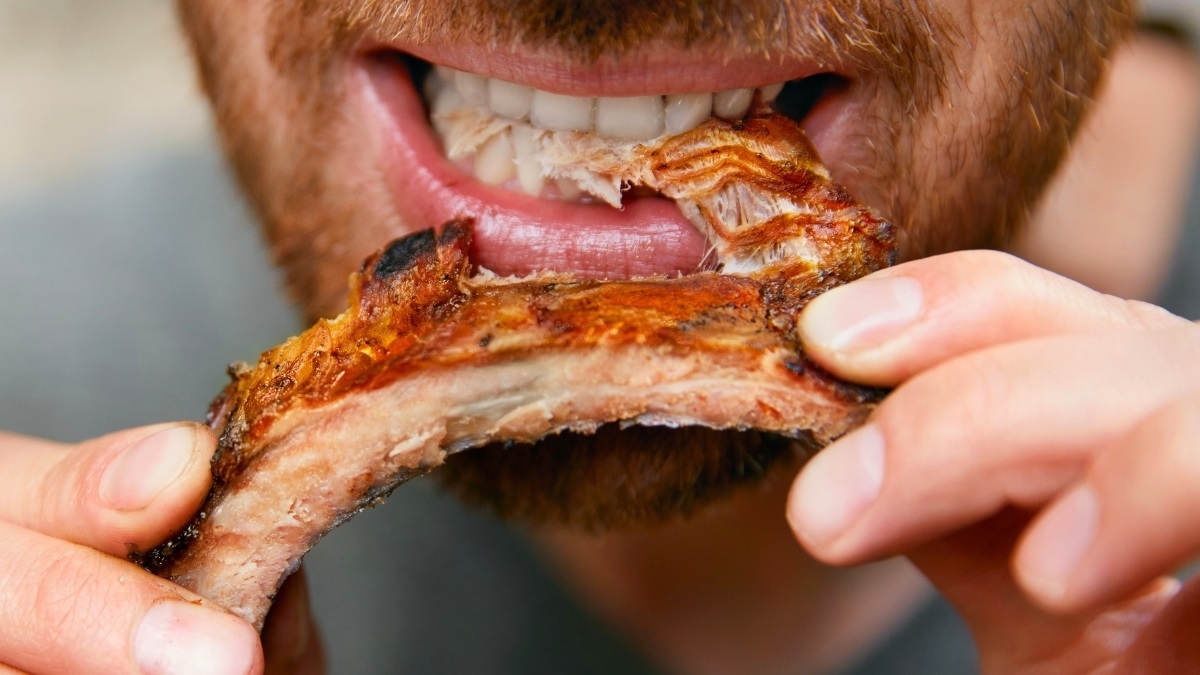
People who don’t eat meat may be less likely than meat eaters to reach the age of 100, according to a recent study. But before you reconsider your plant-based diet, there’s more to these findings than meets the eye.
The research tracked over 5,000 Chinese adults aged 80 and older who participated in the Chinese Longitudinal Healthy Longevity Survey, a nationally representative study that began in 1998. By 2018, those following diets that don’t contain meat were less likely to become centenarians compared with meat eaters.
On the surface, this appears to contradict decades of research showing that plant-based diets are good for your health. Vegetarian diets, for example, have been consistently linked to lower risks of heart disease and stroke, type 2 diabetes, and obesity. These benefits come partly from higher fiber intake and lower saturated fat consumption.
So what’s going on? Before drawing any firm conclusions, there are several important factors to consider.
Your body’s needs change as you age
This study focused on adults aged 80 and older, whose nutritional needs differ markedly from those of younger people. As we age, physiological changes alter both how much we eat and what nutrients we need. Energy expenditure drops, while muscle mass, bone density, and appetite often decline. These shifts increase the risk of malnutrition and fraility.
Most evidence for the health benefits of diets that exclude meat comes from studies of younger adults rather than frail older populations. Some research suggests older non-meat eaters face a higher risk of fractures due to lower calcium and protein intake.
In later life, nutritional priorities shift. Rather than focusing on preventing long-term diseases, the goal becomes maintaining muscle mass, preventing weight loss, and ensuring every mouthful delivers plenty of nutrients.
The study’s findings may, therefore, reflect the nutritional challenges of advanced age, rather than any inherent problems with plant-based diets. Crucially, this doesn’t diminish the well-established health benefits of these diets for younger and healthier adults.
Here’s a crucial detail: the lower likelihood of reaching 100 among non-meat eaters was only observed in underweight participants. No such association was found in older adults of healthy weight.
Being underweight in older age is already strongly linked with increased risks of frailty and death. Body weight therefore appears to be a key factor in explaining these findings.
It’s also worth remembering that this was an observational study, meaning it shows associations rather than cause and effect. Just because two things occur together doesn’t mean one causes the other.
The findings also align with the so-called ‘obesity paradox’ in aging, where a slightly higher body weight is often associated with better survival in later life.
Notably, the reduced likelihood of reaching 100 observed among non-meat eaters was not evident in those who included fish, dairy, or eggs in their diets. These foods provide nutrients that are essential for maintaining muscle and bone health, including high-quality protein, vitamin B12, calcium, and vitamin D.
Older adults following these diets were just as likely to live to 100 as meat eaters. The researchers suggested that including modest amounts of animal-source foods may help prevent undernutrition and loss of lean muscle mass in very old age, compared with strictly plant-based diets.
What this means for healthy ageing
Rather than focusing on whether one diet is universally better than another, the key message is that nutrition should be tailored to your stage of life. Energy needs decline with age (due to decreased resting energy expenditure), but some nutrient requirements increase.
Older adults still require adequate protein, vitamin B12, calcium, and vitamin D – especially to preserve muscle mass and prevent frailty. In older adulthood, preventing malnutrition and weight loss often becomes more important than long-term chronic disease prevention.
Plant-based diets can still be healthy choices, but they may require careful planning and, in some cases, supplementation to ensure nutritional adequacy, particularly in later life.
The bottom line is that our nutritional needs at 90 may look very different from those at 50, and dietary advice should reflect these changes across the lifespan. What works for you now might need adjusting as you age – and that’s perfectly normal.