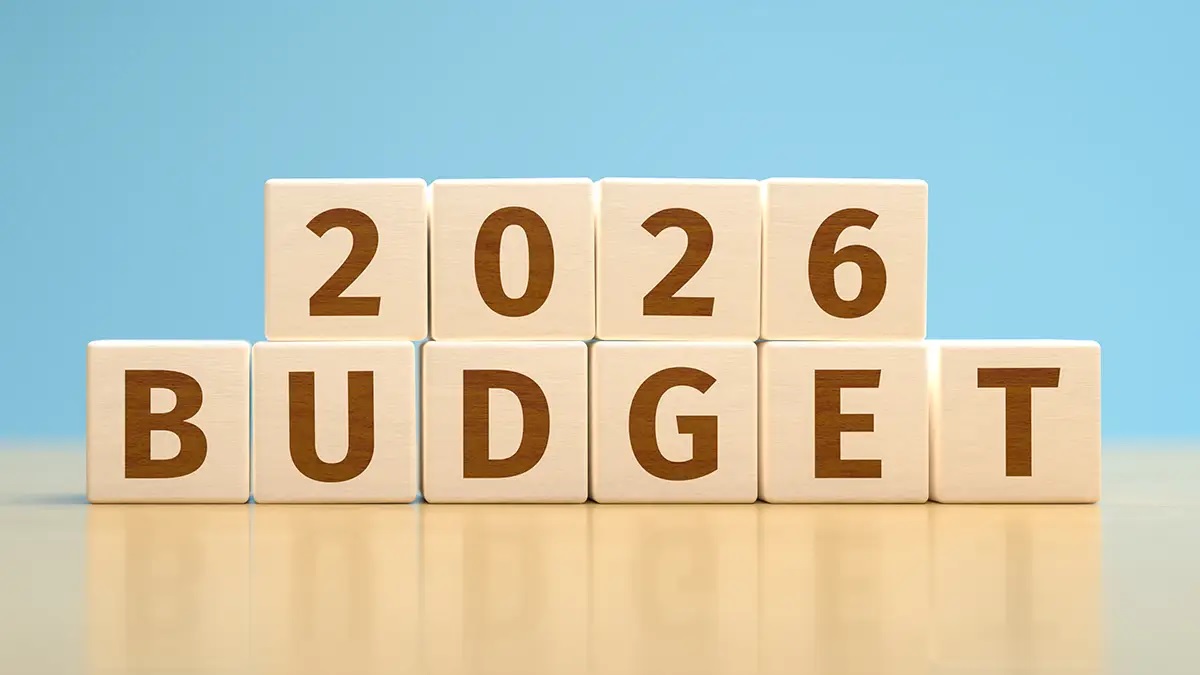
New Delhi, Jan 31: As Finance Minister Nirmala Sitharaman prepares to present the union Budget on February 1, 2026, expectations are running high that the government will deliver a decisive push to India’s fast-growing green energy sector.
With the economy expanding at a robust pace, policymakers face the dual challenge of sustaining growth while safeguarding the environment, making renewable energy a central budget theme.
India has set ambitious climate and energy targets under Prime Minister Narendra Modi’s leadership, including achieving 500 gigawatts of non-fossil fuel energy capacity by 2030 and reaching net-zero emissions by 2070. The forthcoming budget is widely viewed as a critical moment to accelerate progress toward these goals and reinforce India’s role in the global clean energy transition.
Industry leaders are particularly focused on domestic manufacturing. Despite significant capacity additions, India remains heavily dependent on imports for solar panels, wind turbines, batteries, and key components, increasing project costs. Experts expect targeted incentives to strengthen local manufacturing. Shailender Beboratha, green energy specialist and head of Yamnaco Limited, recently noted at an international conference in New Delhi that the budget could consider reinstating a 15 per cent concessional income tax rate for new manufacturing units. Such a move, he said, would boost self-reliance, cut import dependence, generate employment, and reduce renewable energy costs.
The sector is also seeking subsidies, tax exemptions, or production-linked incentives for solar modules, cells, and battery manufacturing. These measures could make clean energy technologies more affordable, accelerating adoption across households, commercial establishments, and industries.
Energy storage is expected to feature prominently in the budget. As solar and wind power are intermittent, large-scale storage solutions are essential to ensure a round-the-clock electricity supply. Higher allocations for battery energy storage systems and pumped hydro projects are anticipated. Increased investment in research and development, through technology incubators and university-industry collaborations, could help reduce costs and spur innovation.
Strengthening grid infrastructure is another priority. Upgrades to high-capacity transmission lines, substations, and smart grid systems are necessary to integrate growing renewable capacity efficiently and avoid power curtailment. Such improvements would enhance grid reliability and operational efficiency nationwide.
Green hydrogen is emerging as a major opportunity. Produced using renewable electricity, it offers a clean alternative for transport, heavy industry, and power generation. While the National Green Hydrogen Mission is underway, stakeholders are seeking larger budgetary support to scale up production, storage, and distribution. Policy incentives could position India as a leading global exporter of green hydrogen.
Rooftop solar is also expected to receive renewed attention. Expanded subsidies, low-interest loans, and simpler procedures could encourage adoption by households and small businesses, while rural areas could benefit from solar irrigation pumps and off-grid solutions.
Beyond capacity expansion, the budget is expected to emphasize system stability, energy security, and financing mechanisms such as green bonds and concessional loans. By addressing manufacturing, storage, hydrogen, grid upgrades, and finance, Budget 2026 could mark a turning point, accelerating India’s renewable journey and strengthening its global climate leadership.
Share this:
- Click to share on WhatsApp (Opens in new window) WhatsApp
- Click to share on Facebook (Opens in new window) Facebook
- Click to share on X (Opens in new window) X
- Click to share on LinkedIn (Opens in new window) LinkedIn
- Click to share on Telegram (Opens in new window) Telegram
- Click to print (Opens in new window) Print
- Click to share on Tumblr (Opens in new window) Tumblr