NEW DELHI: India’s plan to expand nuclear power generation through the Bharat Small Reactor (BSR) programme came into focus at the 20th India Energy Summit, with industry experts highlighting the need for stronger domestic supply chains, private-sector participation and faster project execution to scale up nuclear capacity.
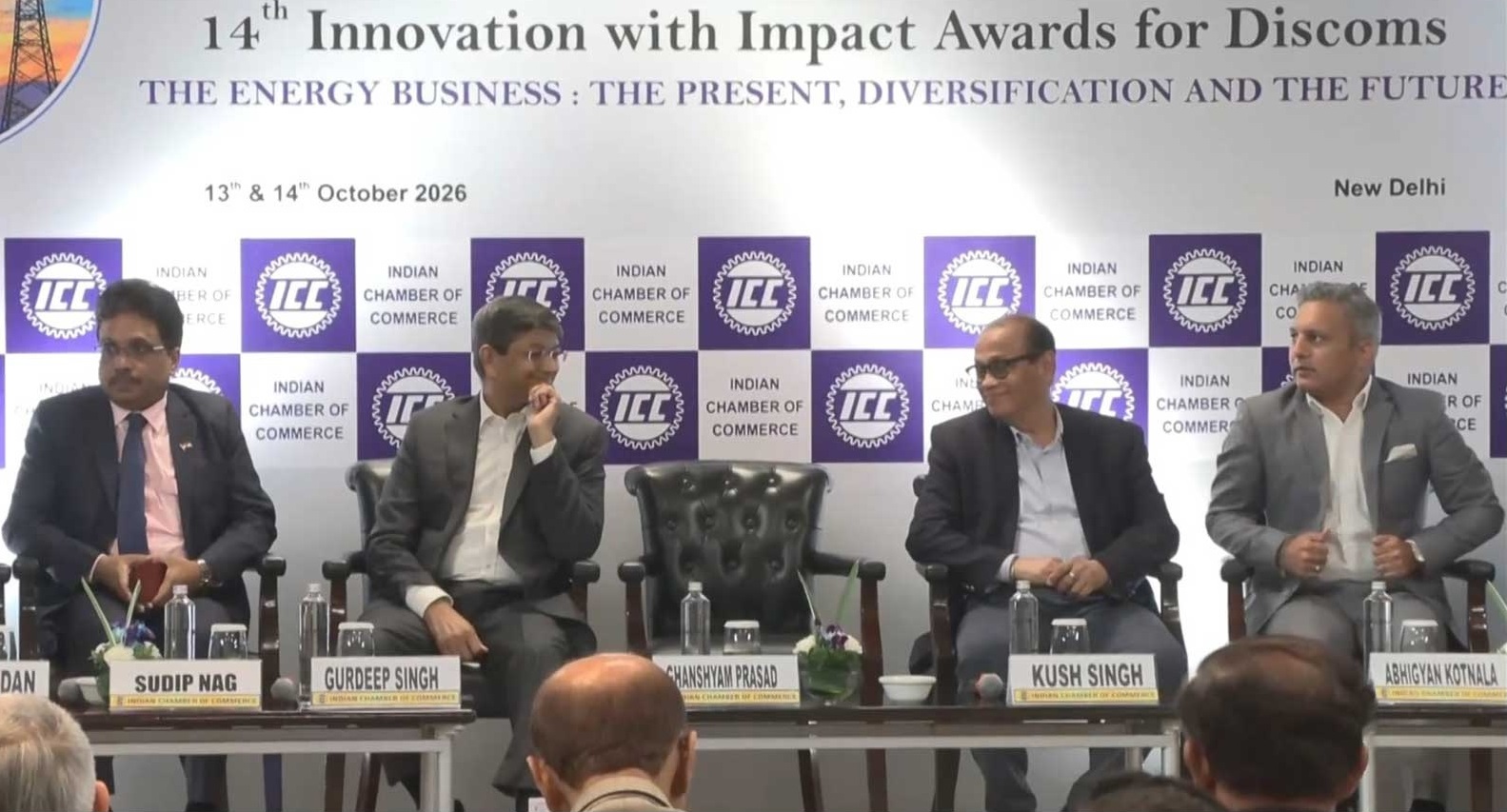
A panel discussion on the second day of the summit, organised by the Indian Chamber of Commerce (ICC) in New Delhi, examined the opportunities and challenges in expanding nuclear power, including reactor technology, site selection, regulatory approvals, specialised equipment and community engagement.
India aims to increase its nuclear power capacity from approximately 8.8 GW towards 100 GW by 2047. Experts said achieving this ambition would require a coordinated approach involving the government and industry, alongside the development of domestic manufacturing capabilities and a skilled workforce.The Bharat Small Reactor programme seeks to use India’s established 220 MW pressurised heavy water reactor technology to meet the captive power requirements of industries. Captive power refers to electricity generated for a company’s own use.
Such reactors could provide round-the-clock, low-carbon electricity to energy-intensive industries.Kishor U Aggarwal, who spent 36 years at the Nuclear Power Corporation of India Limited (NPCIL) before moving to Vedanta Power, said India’s experience with 220 MW reactors provided a strong engineering foundation for the programme.”The 220 MW reactor is a proven technology, with the last unit built by NPCIL commencing commercial operations in 2012. Since then, these reactors have demonstrated reliable performance, with all units continuing to operate and deliver power,” he said.
Aggarwal said the programme builds on decades of operating experience, while standardisation has helped address several engineering challenges. He added that the priority now was to strengthen the domestic supply chain and prepare Indian industry for wider deployment.He also said private partners could build reactors jointly with NPCIL, while NPCIL would operate the plants. The model is intended to bring private industry into nuclear power generation to meet its captive electricity requirements.