
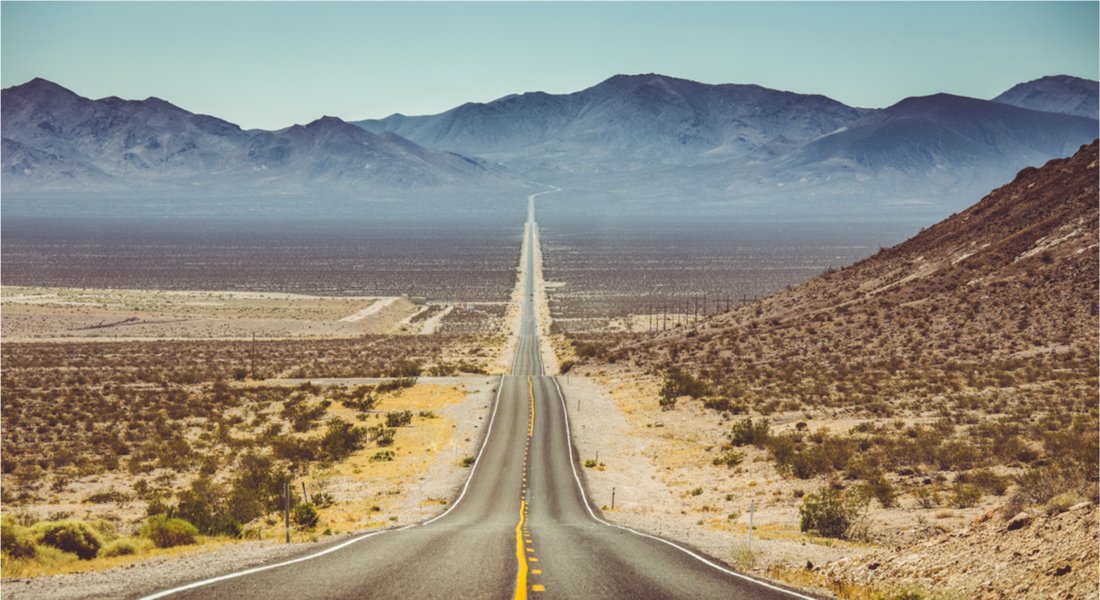
Imagine the hottest, driest place in North America, where temperatures hit 134°F (56.7°C) in summer, where the landscape looks like Mars, where nothing should realistically survive, suddenly carpeted in millions of wildflowers. Yellow desert gold stretching to the horizon. Purple sand verbena creates waves of colour. Pink primroses dotting brown hillsides. This isn’t fantasy. This is Death Valley during a superbloom. And 2026 might be one of those rare years when it actually happens.
The last superbloom occurred in 2016, ten years ago. Before that, in 2005 and 1998. These events happen maybe once a decade when conditions align perfectly: unusually high rainfall, perfect temperatures, minimal wind. And right now, all signs point to 2026 being special. Since October 2025, Death Valley has received 2.45 inches of rain, already surpassing the 2.20 inches that typically falls in an entire year.
November’s storms soaked the desert floor, revived the ancient Lake Manly, and primed dormant seeds that have waited years to bloom. The National Park Service confirms sprouts have already appeared along Badwater Road. Peak bloom is expected late February through early April 2026.
For Indians seeking bucket-list travel experiences, this is it. A natural phenomenon so rare, so visually stunning, so genuinely magical that people fly across the world to witness it. And this is your guide to being there.
What Exactly is a Superbloom?
A superbloom isn’t just “lots of flowers.” It’s a desert botanical phenomenon where millions of dormant wildflower seeds germinate simultaneously and bloom together, transforming entire valleys into seas of colour.
In Death Valley, most wildflowers are annuals, meaning they bloom only once in their entire life. Their seeds can remain dormant for years, sometimes decades, waiting for perfect conditions. When those conditions finally align, they all emerge at once.
The result? Fields of desert gold (Geraea canescens), brown-eyed evening primrose, golden evening primrose, sand verbena, phacelia, and countless other species create landscapes that look photoshopped even though they’re completely natural.
Why So Rare? Three factors must align:
High Rainfall: Multiple rain events from late fall through early spring
Perfect Temperatures: Warm enough for germination but not so hot that flowers die
Minimal Wind: Wind dries flowers out and shortens bloom duration
2026 has all three conditions so far.
When to Visit (Exact Timing)
Peak Bloom Forecast: Late February through early April 2026
Low-Elevation Areas (most accessible):
Peak: Late February through March
Locations: Near park entrance, Badwater Road, Furnace Creek, Mud Canyon, Hells Gate
Higher-Elevation Areas:
Peak: April through May, possibly into June
Locations: Mountain slopes and valleys at higher altitudes
Best Days to Visit: Weekdays, not weekends. Superbloom weekends attract massive crowds that trample flowers and create traffic chaos.
Best Time of Day: Early morning (6-8 AM) or late afternoon (4-6 PM) for best light, fewer crowds, and ideal photography conditions.
Important: Poppies and many desert flowers do NOT open on cold, cloudy, or windy days. Check weather before driving hours to the park.
Where to See the Flowers
Based on current National Park Service reports and early blooms already visible:
Badwater Road (South End): Already showing nice fields of wildflowers. This is your best current bet.
Near Park Entrance: Easy access, good for first-time visitors.
Furnace Creek Area: Tourist hub with accommodations nearby, flowers bloom in surrounding washes.
Between Mud Canyon and Hells Gate: Scenic drive with multiple viewing spots.
Ashford Mill Ruins: Mix of desert gold, brown-eyed primrose, sand verbena, and five-spot flowers.
Highway 190 (Beatty Cutoff Junction): Brown-eyed primrose growing along roadside.
Check Before You Go: Visit Death Valley National Park’s official website (nps.gov/deva) for real-time wildflower updates. They post bloom reports regularly during superbloom season.
How to Reach Death Valley from India
Step 1: Fly to the United States
Nearest Major Airports:
Las Vegas (LAS): 190 km from Death Valley, 2.5-hour drive, most convenient
Los Angeles (LAX): 420 km, 4.5-hour drive
San Francisco (SFO): 650 km, 8-hour drive
From India:
Direct flights available from Delhi, Mumbai, Bangalore to Los Angeles (15-17 hours)
Connecting flights via Middle East or Europe to Las Vegas (18-22 hours total)
Book 3-6 months in advance for best prices (₹60,000-1,20,000 return)
Step 2: Rent a Car
Essential: You NEED a car. Death Valley has no public transport, rideshares, or taxis inside the park.
Rental Options:
Las Vegas Airport: All major companies (Hertz, Enterprise, Budget)
Cost: $40-80 per day (₹3,300-6,600)
Book online in advance for better rates
Get unlimited mileage package
GPS is essential (or download offline maps)
Driving Tips:
Valid Indian driving licence works but International Driving Permit recommended
Stick to paved roads unless you have 4WD and experience
Fill petrol tank before entering the park (no petrol stations inside)
Carry extra water, snacks, and charged phone
Step 3: Accommodation
Inside Death Valley:
The Inn at Death Valley (Furnace Creek): Luxury ($300-500/night)
The Ranch at Death Valley: Mid-range ($200-300/night)
Camping: Furnace Creek Campground, Stovepipe Wells ($25/night)
Book ahead for superbloom season—sells out completely.
Outside the Park (Cheaper Options):
Beatty, Nevada (65 km from park entrance): Motels $80-150/night
Pahrump, Nevada (100 km): More hotel choices
Las Vegas (stay there, do Death Valley as day trip)
US Visa Process for Indians
Apply for a Tourist Visa (B1/B2) 3-6 months before travel. Complete the DS-160 form online, upload a photo, and save the confirmation page. Pay the $185 visa fee and save the receipt. Schedule an interview at the US Embassy or Consulate, and gather documents like a valid passport, DS-160 confirmation, fee receipt, and proof of ties to India. Attend the interview, be honest, and wait 3-5 business days for processing. Approval is high for genuine tourists with proper documentation.
What to Pack
Clothing:
Layers (cold mornings, hot afternoons)
Long sleeves and long pants (sun protection, also required for hiking)
Wide-brimmed hat
Comfortable walking shoes
Light jacket for mornings
Essentials:
Sunscreen SPF 50+ (desert sun is brutal)
Sunglasses
Reusable water bottles (2-3 litres per person)
Snacks
Camera with extra batteries
Powerbank
Car phone charger
Safety Items:
First aid kit
Extra water (park rangers recommend 1 gallon/4 litres per person per day)
Road map (cell service is patchy)
Rules and Etiquette
CRITICAL – Follow These:
DO NOT Pick Flowers: Federal regulations prohibit it. Flowers need to produce seeds for future seasons. Violators face fines.
Stay on Trails: Trampling destroys fragile desert ecosystems. Walk only on designated paths.
Don’t Crowd Flowers: Step back, use zoom lenses. Don’t walk through flower fields for photos.
Pack Out Trash: Leave no trace. Carry everything back.
Respect Wildlife: Don’t feed or disturb animals.
Drive Carefully: Watch for stopped cars (people viewing flowers). Park properly, not on roadside vegetation.
Pro Tips
Book Everything NOW: Superbloom season 2026 is already being talked about globally. Hotels and car rentals will sell out.
Check Bloom Reports Daily: Death Valley NPS posts updates. Don’t drive hours if bloom hasn’t peaked yet.
Arrive Weekdays: Weekend crowds are insane during superblooms.
Start Early: Best light, cooler temperatures, fewer people, flowers fully open.
Bring Wide-Angle Lens: You’ll want to capture vast fields of flowers.
Download Offline Maps: Cell coverage is sparse.
Combine with Other Parks: Joshua Tree, Anza-Borrego, Antelope Valley may also bloom simultaneously.
A Death Valley Superbloom
A Death Valley superbloom is a once-in-a-decade event. The last one was 10 years ago. The next one? Who knows. 2036? Maybe not in our lifetime. So when all the conditions align, when the rains come, when the temperatures cooperate, when millions of seeds wake up after years of dormancy, you need to be there. This isn’t just about pretty flowers. It’s about witnessing the desert’s resilience. About seeing one of Earth’s harshest landscapes transform into something breathtaking. About experiencing a natural phenomenon so rare that most people never see it. For Indians, yes, it’s expensive. Yes, it requires planning, visas, long flights. But some experiences transcend cost. When you stand in Death Valley with wildflowers stretching to every horizon, when the desert that kills in summer is covered in colour, when you realize you’re witnessing something genuinely magical, the effort will be worth it. February to April 2026. Death Valley. Be there.
Share this:
- Click to share on WhatsApp (Opens in new window) WhatsApp
- Click to share on Facebook (Opens in new window) Facebook
- Click to share on X (Opens in new window) X
- Click to share on LinkedIn (Opens in new window) LinkedIn
- Click to share on Telegram (Opens in new window) Telegram
- Click to print (Opens in new window) Print
- Click to share on Tumblr (Opens in new window) Tumblr

Latest Posts
- Pope Leo XIV Denounces ‘Delusion Of Omnipotence’
- Time Has Come To Implement Women’s Reservation Act: PM Modi
- Veteran Singer Asha Bhosle Dies At 92 In Mumbai
- Odisha IAS Officer Cheats Man Of Rs 95 Lakh
- Islamabad Talks Fail, JD Vance Says “Iran Chose Not To Accept Our Terms”
- Why US-Iran Peace Talks Collapsed After 21 Hours Of Negotiations In Islamabad
- Nashik Techies Allege Sexual Harassment In Office, Team Lead Among 6 Arrested
- BCCI Introduces Dramatic New Rule Mid IPL Season, Benched Players’ Movement Restricted
- “If Cops Ask, Say We Are Friends”: Bengaluru Surgeon Told Lover After Killing Doctor Wife
- Sensex Plunges 931 Points as Geopolitical Tensions Re-ignite Inflation Fears
Telangana Updates
-


Telangana
/ 1 month agoNewlyweds Vijay Deverakonda and Rashmika Mandanna Visit Native Village for Housewarming Ceremony
Thummanapet, March 2: Fresh off their fairytale wedding in Udaipur, Tollywood’s most beloved couple,...
-
Telangana
/ 1 month agoOwaisi Demands Clarity on PM Modi’s Israel Visit Following “Operation Roaring Lion” Strikes
Hyderabad, March 1: AIMIM president and Hyderabad MP Asaduddin Owaisi has launched a sharp...
-
Telangana
/ 2 months agoTelangana Transfers 45 IAS Officers in Major Bureaucratic Shake-Up
Hyderabad, Feb 26: Telangana has seen a major reshuffle of IAS officers. Chief Secretary...
-
Telangana
/ 2 months agoYouTuber In Hyderabad Sends Mother In Kuwait “I Love You” Text, Then Kills Self
Hyderabad, Feb 26: A 21-year-old part-time YouTuber and science student, Bonu Komali, was found...


