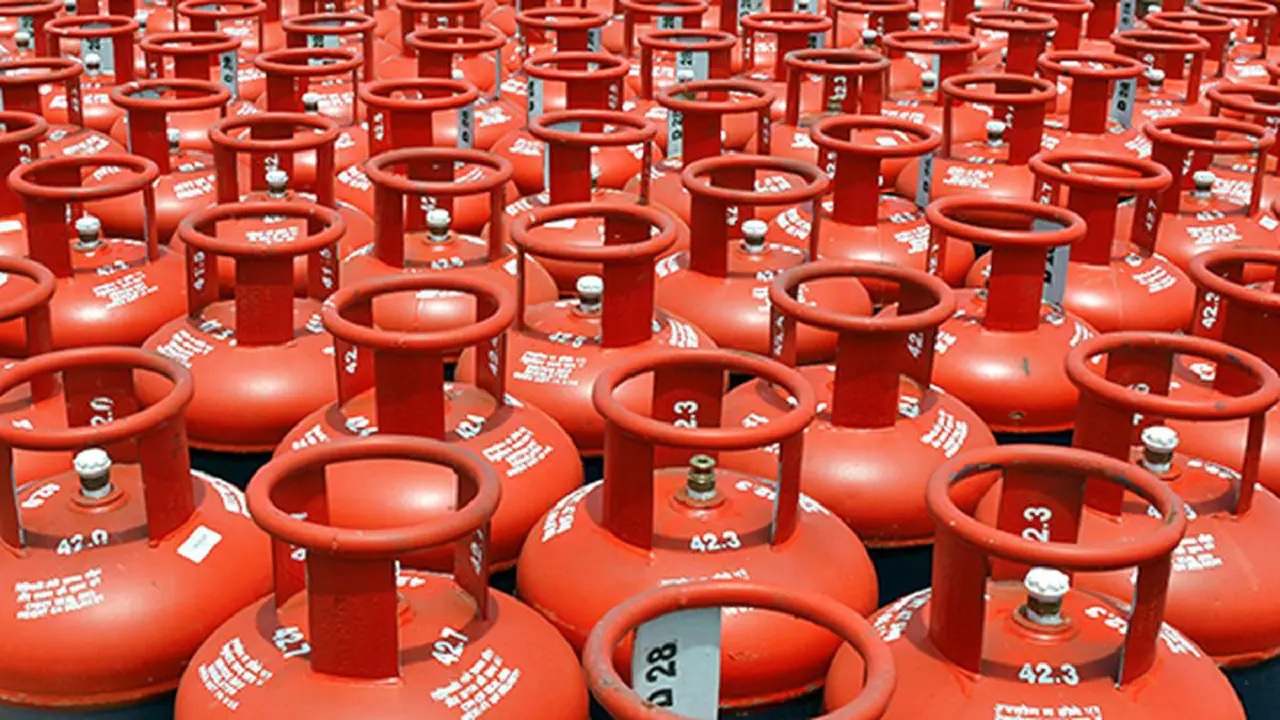
New Delhi, March 23: India’s state-run oil marketing companies (OMCs) are reportedly developing an emergency plan to supply domestic LPG in smaller 10 kg quantities as the country grapples with a tightening fuel crunch. Under this proposal, the standard 14.2 kg household cylinders would be filled with only 10 kg of gas to stretch existing inventories and ensure that limited supplies can reach a larger number of households.
The move comes as India faces significant pressure on its energy security due to ongoing geopolitical conflict in West Asia. Disruptions in the Strait of Hormuz—a vital transit point for nearly 60% of India’s LPG imports—have left several India-bound tankers waiting in the Persian Gulf. With domestic inventories falling and new shipments delayed, industry executives suggest that “rationing” through smaller fills may be the most viable way to avoid widespread dry-outs.
If implemented by Indian Oil (IOC), Bharat Petroleum (BPCL), and Hindustan Petroleum (HPCL), the 10 kg refills would carry a revised label, and prices would be slashed proportionately from the current rate (roughly ₹913 in Delhi). However, the transition presents logistical hurdles, as bottling plants would need to recalibrate their weighing and filling systems. There is also concern regarding potential political pushback and consumer confusion, particularly following the ₹60 price hike earlier this month.
While the Ministry of Petroleum and Natural Gas maintains that household deliveries remain regular and has urged citizens to avoid “panic booking,” officials have acknowledged that the supply situation is “worrisome.” To mitigate the crisis, the government has already extended the mandatory booking interval for refills and is prioritizing domestic consumers over commercial users, who are currently receiving only 50% of their typical allocation.
Energy analysts note that a 10 kg refill could sustain an average home for nearly a month, compared to the 35–40 days provided by a full 14.2 kg cylinder. This strategy aims to bridge the gap until alternative shipments from the United States and other regions can stabilize the national stock, which currently holds only about 7–10 days of cover.
Share this:
- Click to share on WhatsApp (Opens in new window) WhatsApp
- Click to share on Facebook (Opens in new window) Facebook
- Click to share on X (Opens in new window) X
- Click to share on LinkedIn (Opens in new window) LinkedIn
- Click to share on Telegram (Opens in new window) Telegram
- Click to print (Opens in new window) Print
- Click to share on Tumblr (Opens in new window) Tumblr