Mumbai, Jan 15: In 2026, the concept of “Circular Fashion” has moved from a niche environmental buzzword to a premium lifestyle upgrade in India.1 This shift marks a departure from the “take-make-dispose” linear model toward a regenerative system where every garment is designed for longevity, reuse, and eventual recycling.2
Driven by a mix of Gen Z values, rising middle-class consciousness, and traditional Indian mending values (the “Rafu” culture), circularity is now seen as the ultimate “flex” of a sophisticated, mindful lifestyle.
Why Circularity is the “Lifestyle Upgrade”
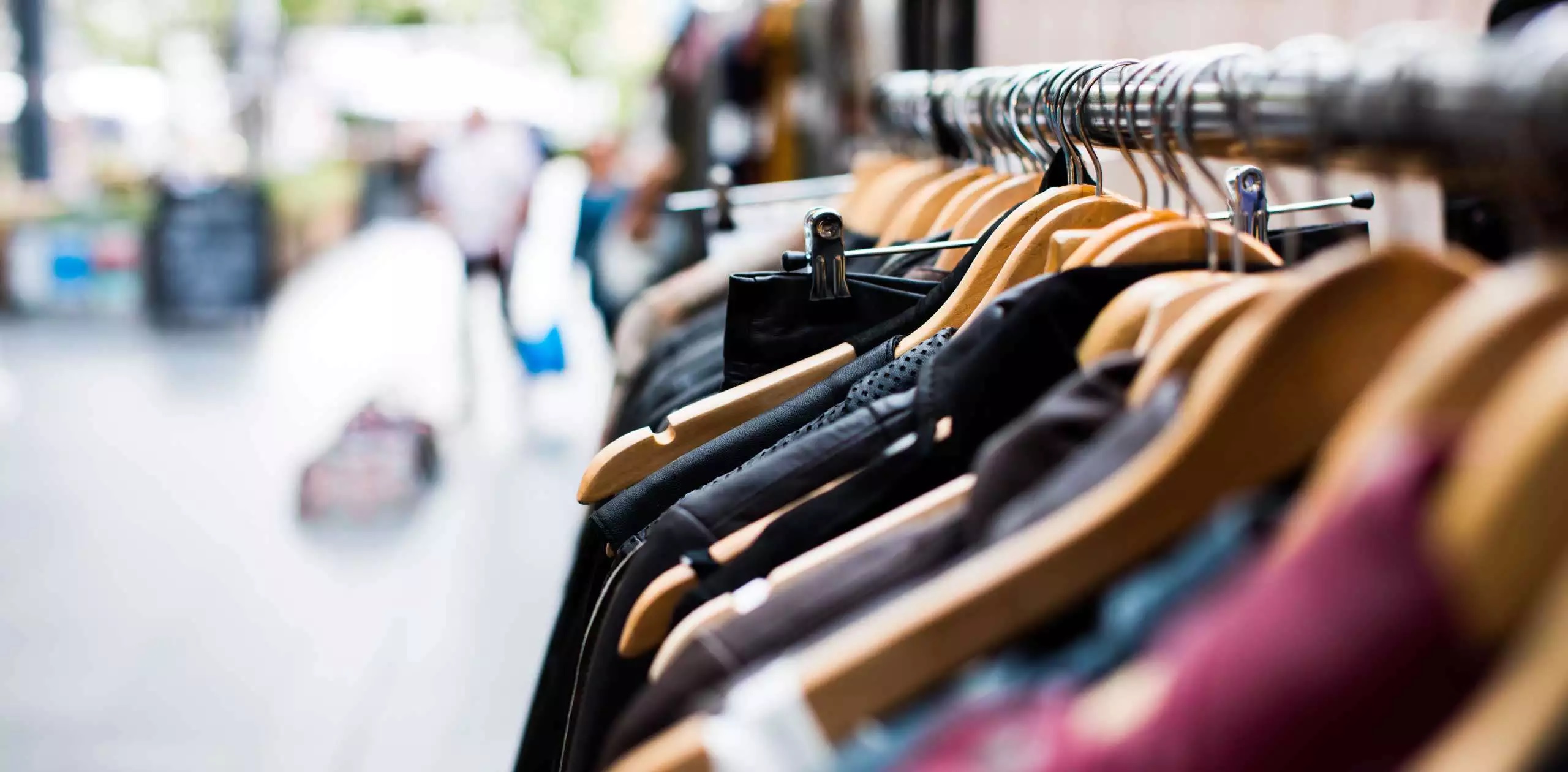
In a crowded market, the move toward circularity isn’t about restriction; it’s about refinement. Indian consumers are increasingly realizing that a cluttered wardrobe leads to the “nothing to wear” paradox.
Quality over Quantity: Circular fashion prioritizes durable, high-quality fabrics (like organic cotton, hemp, and banana fiber) that outlast fast-fashion alternatives.
Curation as Status: Owning a “pre-loved” vintage piece or an upcycled designer jacket is now a higher status symbol than buying a mass-produced item. It signals a “curated” life rather than an “impulsive” one.
Clutter-Free Living: The 2026 mindset is “Minimalism without the boredom.”3 By participating in rental and resale, consumers maintain a fresh wardrobe without the physical and mental baggage of ownership.4
The Pillars of the Indian Circular Ecosystem
India’s unique position as both a major producer and consumer of textiles has allowed for a robust circular loop:5
Pillar
Action in India
Example/Trend
Resale & Thrifting
Transitioning from unorganized “chor bazaars” to sleek digital platforms.
Peer-to-peer resale apps for luxury ethnic wear.
Rental Models
Dominating the high-waste “occasion wear” and wedding market.
Renting ₹50,000 Lehengas for ₹5,000, reducing one-time-use waste.
Upcycling
Designers repurposing industrial waste or vintage saris into modern silhouettes.
Brands like I Was A Sari or denim-focused upcycling hubs in Panipat.
Repair & Care
Tech-enabled “Tailor-on-Call” services to extend garment life.
Mobile apps that offer professional mending and alteration at your doorstep.
Key Drivers in 2026
The Gen Z “Cool Factor”: For younger Indians, sustainability is a core part of their digital identity.6 “Thrift hauls” and “Upcycled OOTDs” perform better on social media than fast-fashion hauls, which are increasingly associated with waste and “bad vibes.”
Technological Integration: Blockchain-based “Digital Product Passports” now allow Indian consumers to scan a QR code on a garment to see its entire history—who made it, how many times it’s been resold, and how to recycle it.7
The “Panipat” Revolution: Often called the “cast-off capital of the world,” Panipat has evolved from a recycling hub for global waste into a high-tech center for domestic circularity, turning old Indian textiles into high-end “recycled” yarn for local brands.
Economic and Cultural Resonance
Circular fashion feels “new,” but it resonates with deep-seated Indian cultural values:
The Legacy of Thrift: Traditionally, Indian households never threw away clothes—they were passed down to siblings, then repurposed into dusters (the classic pochha). Circularity simply formalizes this “zero-waste” DNA into a modern business model.
Affordability of Luxury: Rental and resale models democratize high fashion.8 A middle-class consumer in a Tier-2 city can now access designer labels through rental platforms, upgrading their lifestyle without the heavy price tag.9
Summary: The Future of the Indian Wardrobe
By the end of 2026, the Indian fashion retail market (valued at ~$80 billion) is increasingly defined by “conscious consumption.” Choosing circular fashion is no longer just a “green” choice; it is a smarter, more stylish way to live that values heritage, technology, and personal expression over mindless accumulation