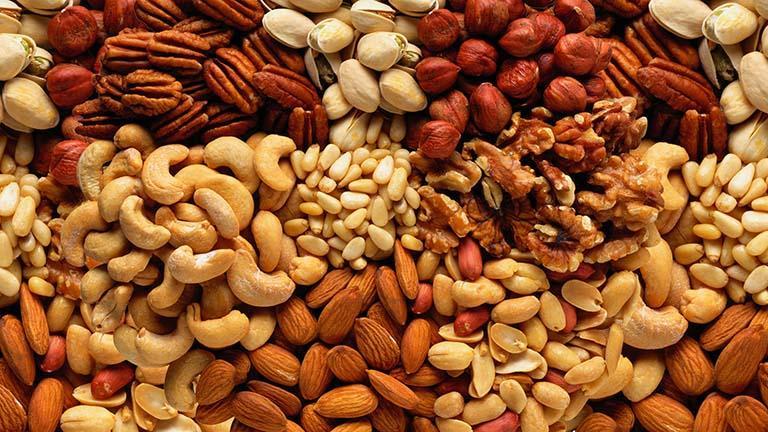
New Delhi Jan 15: The Indian dry-fruit market, a staple of both festive gifting and daily nutrition, is currently grappling with a “double-ended” supply chain crisis. As of January 15, 2026, the industry is caught between violent internal unrest in Iran—a primary source for premium almonds and pistachios—and a fresh trade ultimatum from the Trump administration that threatens to inflate costs for both importers and exporters.
The Iran Crisis: Supply Lines Under Siege
Internal unrest in Iran has intensified over the last three weeks, leading to a near-total communication blackout and the closure of major trade hubs. For the Indian market, this has translated into immediate logistical hurdles:
- Price Hikes: The price of premium Mamra almonds and Iranian pistachios has jumped by ₹60–₹100 per kg in major wholesale markets like Delhi’s Khari Baoli.
- Stalled Shipments: Trade through Iran’s Bandar Abbas port—the gateway for Indian dry-fruit imports—has slowed to a crawl. Many consignments are currently stranded, and insurance premiums for shipments through the Strait of Hormuz have surged by nearly 20%.
- Payment Deadlocks: With Iranian banks facing disruptions, Indian importers are struggling to settle dues, leading to a “wait-and-watch” approach that has thinned out available stock.
The “Trump Factor”: The 75% Tariff Shadow
Compounding the supply issue is a major geopolitical shift from Washington. Earlier this week, President Donald Trump issued a “final and conclusive” warning: any country doing business with Iran will face a 25% tariff on all trade with the United States.
For India, the stakes are uniquely high:
- Layered Tariffs: Indian exports to the US already face a 50% duty (comprising a 25% reciprocal tariff and a 25% punitive levy for Russian oil purchases). If the Iran-related tariff is added, Indian goods could face a staggering 75% levy, making them uncompetitive in the American market.
- The Squeeze on Re-Exports: India is a major global hub for processing nuts like cashews. If US market access is restricted due to India’s trade ties with Tehran, the processing industry could see a massive drop in demand, leading to a domestic surplus of some nuts while others remain scarce.
Market Sentiment: A “Perfect Storm”
Local traders are describing the current situation as a “perfect storm.” While the government has sought to play down the direct impact, noting that Iran accounts for less than 1% of India’s total trade, the specific impact on the ₹30,000-crore dry-fruit industry is outsized. “We are squeezed on both sides,” says a wholesaler at Khari Baoli. “The Iranian unrest has cut off our supply of Mamra almonds, and the threat of US tariffs has made our export-oriented cashew units extremely nervous about the coming quarter.”
Outlook for 2026
If the unrest in Iran does not stabilize by the end of the month, consumers can expect a further 10–15% rise in the price of imported dry fruits. Meanwhile, New Delhi is expected to engage in high-level diplomatic talks with the Trump administration to seek a “carve-out” for agricultural and humanitarian trade, similar to exemptions granted during previous terms.
Share this:
- Click to share on WhatsApp (Opens in new window) WhatsApp
- Click to share on Facebook (Opens in new window) Facebook
- Click to share on X (Opens in new window) X
- Click to share on LinkedIn (Opens in new window) LinkedIn
- Click to share on Telegram (Opens in new window) Telegram
- Click to print (Opens in new window) Print
- Click to share on Tumblr (Opens in new window) Tumblr