New Delhi, Feb 19: The national capital is witnessing heightened security and diplomatic activity as the five-day Artificial Intelligence (AI) Impact Summit 2026 continues at Bharat Mandapam.
With delegates from over 30 countries, global technology leaders, ministers, diplomats and international organisations in attendance, Delhi has effectively transformed into a tightly monitored diplomatic zone.
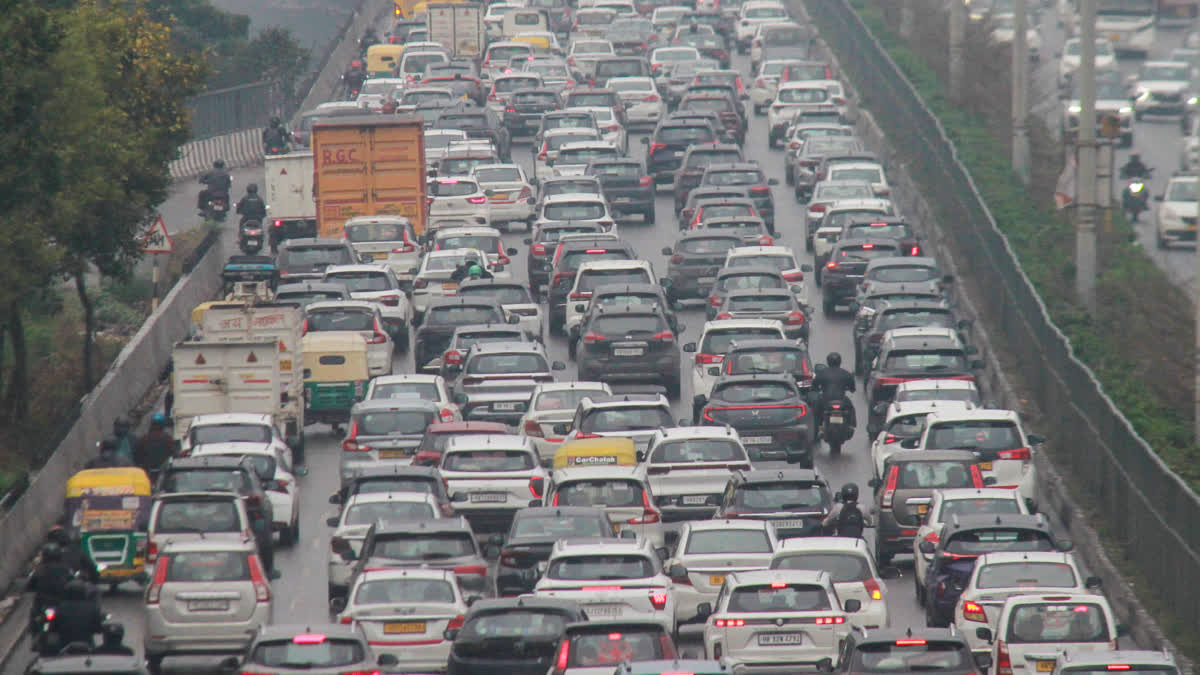
While the summit has positioned India as a major global AI hub, the extensive VVIP movement and security protocols have significantly disrupted daily life, especially traffic across central, east and south Delhi. This has also affected people from the National Capital Region (NCR).
Despite prior advisories issued by the Delhi Traffic Police, commuters across several corridors reported prolonged congestion, near-zero vehicle movement and travel delays.
Complete Traffic Diversion Plan: February 19 Restrictions
In view of high-level VVIP movements on February 19, the Delhi Traffic Police has enforced special restrictions during two peak windows.
One of the restrictions was from 7.30 am to 10.00 am. The second one will take place in the evening, from 5 pm to 9 pm.
Authorities have stated that traffic regulations are essential to ensure the secure movement of diplomatic convoys and emergency readiness.
Roads Likely to Be Affected
Traffic pressure, diversions or intermittent stoppages are expected on:
- Sardar Patel Marg
- Mother Teresa Crescent
- Teen Murti Marg
- Akbar Road
- Janpath
- Prithviraj Road
- Rajesh Pilot Marg
- Subramaniam Bharti Marg
- Mathura Road (Lodhi Flyover to Dr Dinesh Chandra Dalmia Chowk)
- Bhairon Marg
- Shanti Path
- Africa Avenue
- Gurugram Road
- Parade Road
Additionally, movement is closely regulated along key roads, including Mathura Road, Sardar Patel Marg, Janpath, Akbar Road, Shanti Path, and Bhairon Marg, to facilitate VVIP corridors.
Suggested Alternative Routes
Commuters have been advised to use:
- San Martin Marg
- Panchsheel Marg
- Dr APJ Abdul Kalam Road
- Lodhi Road
- Barapullah Elevated Road
- Ring Road
- Tilak Marg
- Feroze Shah Road
- Rafi Marg
- Parliament Street
- South Avenue Road
- NH-48
Commuters are urged to plan journeys in advance, keep sufficient buffer time, avoid restricted stretches and follow on-ground instructions.
More than 10,000 police personnel, including nearly 5,000 traffic officers, have been deployed across the city. A dedicated coordination cell is monitoring traffic flow, intelligence inputs and emergency response. Ambulances have been stationed along designated VVIP routes to prevent disruption in medical emergencies.
Traffic Snarls Across Delhi, Despite Advisory
Despite these preparations, several major routes witnessed heavy congestion during peak hours.
Long vehicle queues and near-zero movement were reported at:
- Delhi-Meerut Expressway near Sarai Kale Khan
- DND Flyway
- Vikas Marg-ITO stretch
- Naraina
- Delhi Cantt Metro Station corridor
- Old Delhi Railway Station-Pul Mithai corridor
Airport Route Pressure
Traffic density increased sharply along routes leading to Indira Gandhi International (IGI) Airport due to the continuous arrival and departure of foreign delegates. Temporary halts were imposed at intersections to allow diplomatic convoys to pass, resulting in a cumulative buildup of vehicles.
Commuter Frustration
Several commuters voiced frustration over the situation. One motorist stuck near Sarai Kale Khan said, “Such a waste of time and fuel. We’ve been stranded for over half an hour.”
An east Delhi resident reported traffic coming to a standstill for more than 20 minutes, adding that summit-related restrictions compounded existing congestion from ongoing infrastructure work.
Passengers heading toward Old Delhi Railway Station described near-zero vehicular movement on both sides of the corridor.
Political reactions also surfaced, with opposition leaders questioning traffic preparedness and suggesting better staggered planning. Authorities, however, maintained that intermittent restrictions are unavoidable during high-security diplomatic events.
AI Impact Expo Extended By One Day
In a significant development, organisers have extended the AI Impact Expo by one additional day due to security-related disruptions and overwhelming public interest. The exhibition, initially scheduled to conclude on Friday, will now remain open until Saturday.
Electronics and IT Secretary S Krishnan confirmed that more than three lakh registered participants had shown interest in attending. Since Thursday, access has been restricted due to summit security protocols. The extension will allow students, researchers and professionals to participate without diplomatic interference.
On Thursday:
- The Expo Arena remained closed for registered delegates and general participants.
- The Convention Centre was accessible strictly by invitation.
- Authorities expect heavy footfall on Saturday once regular access resumes.
- Detailed Access Guidelines for Delegates and Invitees
- The Ministry of Electronics & IT issued comprehensive access instructions to ensure smooth entry:
- Invitees for the inaugural ceremony were allowed entry through Gate No. 4 or Gate No. 10 from 6 am.
- Delegates were advised to complete entry before 7.30 am, as seating operated on a first-come, first-served basis.
- Vehicle access for badge holders was routed via Gate No. 1.
- Gate No. 5A was designated for accredited media and Media Centre staff.
- A golf cart facility was arranged within the complex for internal movement.
Limited parking made available at:
- Purana Qila (1.6 km)
- Zoo Parking (3 km)
- JLN Stadium (4.8 km)
Shuttle services operate from these points to Gate No. 4 at Bharat Mandapam. Intermittent restrictions remain in and around the ITPO area to facilitate diplomatic movement.
Digital India Showcase: AI Innovations on Display
The summit is not only a diplomatic gathering but also a massive public technology showcase.
More than 600 startups, global technology firms and country pavilions are participating. Applied AI solutions in healthcare, education, manufacturing and governance have drawn strong public attention.
Visitors reported improved digital entry systems and better crowd management compared to earlier days. However, during peak exit hours, some attendees walked nearly 2 km to reach nearby Metro stations due to traffic regulations around the venue.