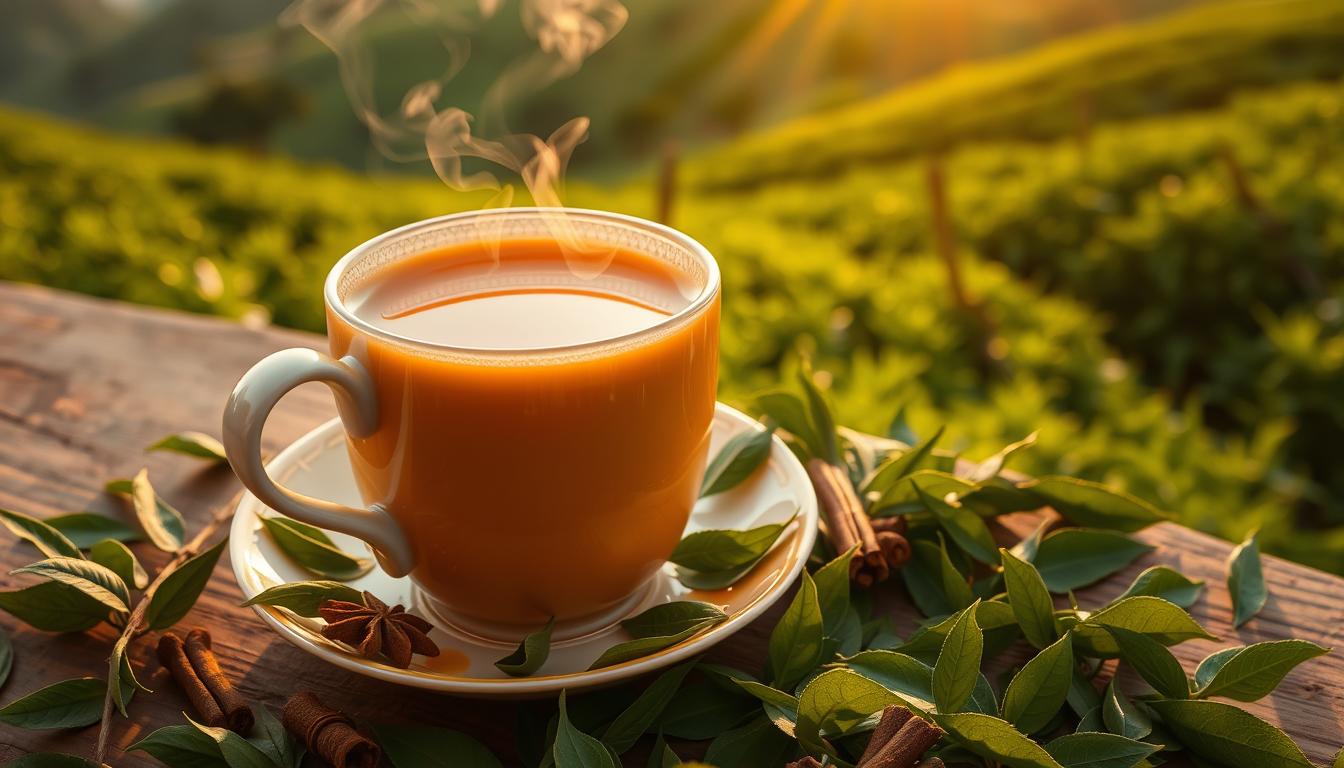
If you’ve ever wondered where that perfect cup of morning chai actually comes from, chances are it’s from Assam. This northeastern gem isn’t just India’s tea capital; it’s where the entire chai story of modern India began.1 And honestly, if you’re serious about your chai (and let’s face it, who in India isn’t?), Assam needs to be on your travel list.
Forget the dainty porcelain cups of London or the hushed tea ceremonies of Kyoto. In Assam, tea is a raw, emerald-green force of nature. It’s an industry, a landscape, and a heartbeat all rolled into one.
The “Malty” DNA of the Brahmaputra
While other regions might give you floral or delicate notes, Assam tea is the heavyweight champion. It’s famous for that robust, malty flavor—the kind of body that can stand up to a generous splash of milk and a heap of sugar without losing its identity.2
This intensity comes from the land itself. The Brahmaputra River valley provides a unique combination of high humidity and heat, creating a natural greenhouse effect. This is why the state produces more than half of India’s tea; the plants here don’t just grow, they thrive with an attitude you can taste.
A Vibe You Can’t Export
You can buy Assam CTC (Crush, Tear, Curl) anywhere in the world, but you can’t buy the atmosphere of the source. Imagine:
- Emerald Oceans: Sprawling tea estates that stretch as far as the eye can see, turning the horizon into a blur of green.
- The Dawn Chorus: The rhythmic aroma of fresh leaves being plucked at dawn as the mist lifts off the bushes.
- The Human Element: Workers with bamboo baskets moving through the greenery with surgical precision.3
Why You Need to Go
Beyond the statistics and the production numbers, Assam’s relationship with chai is deeply cultural, historical, and absolutely fascinating. Visiting isn’t just a “factory tour”; it’s an immersion into a lifestyle.
Assam is the place where the “industrial” meets the “ethereal.” It is loud, green, and unapologetically bold—just like the tea it produces. If you want to understand why India runs on chai, you have to go to the engine room.
How Tea Came to India
In the early 19th century, the British East India Company was desperate to break China’s monopoly on tea. They sent botanist Robert Fortune on a covert mission into China to steal tea plants and cultivation secrets. Fortune succeeded, smuggling tea plants and Chinese tea workers into British-ruled India, specifically Darjeeling and Assam.
But here’s where it gets interesting. While Fortune’s Chinese tea plants struggled in Assam’s humid climate, something else was discovered: wild tea plants growing naturally in the Assamese mountains. These plants, later identified as Camellia sinensis var. assamica, turned out to be perfect for the region. By the 1850s, the British had established massive tea plantations in Assam, and the rest, as they say, is history.