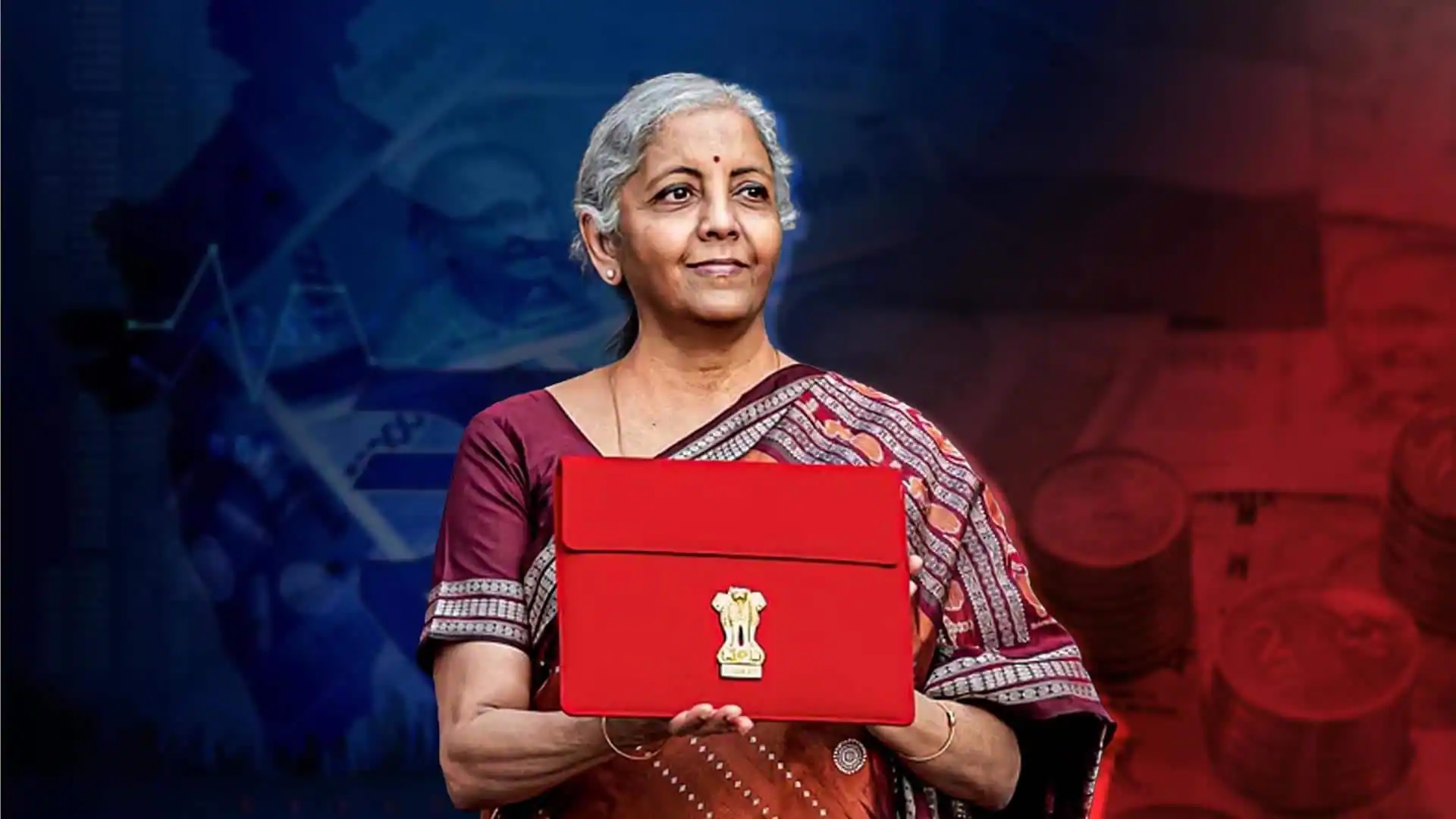
New Delhi, Jan 22: In what could be the most significant overhaul of India’s personal income tax framework in decades, the Union Budget 2026 is expected to consider a proposal for optional joint taxation for married couples. The recommendation, championed by the Institute of Chartered Accountants of India (ICAI), aims to treat the household—rather than the individual—as the fundamental economic unit.
The proposal comes as Finance Minister Nirmala Sitharaman prepares to present the Union Budget on February 1, 2026. If adopted, the reform would align India with global tax practices seen in the United States, Germany, and France.
Currently, every individual in India is taxed separately. A single-income household supporting a family of four receives the same Rs. 3 lakh basic exemption (under the new regime) as a single bachelor. The new proposal seeks to bridge this gap. Couples can choose to file jointly only if it reduces their total tax liability. The basic exemption limit for joint filers could be doubled to Rs. 6 lakh to Rs. 8 lakh. Spouses would combine their incomes, but be taxed under “wider” slabs, preventing a single high-earner from being pushed into the 30% bracket prematurely.
Proposed Joint Tax Slabs (Illustrative)
Tax experts have suggested a restructured slab system specifically for joint filers to ensure the benefit reaches the middle class:
Total Joint Income
Proposed Tax Rate
Up to Rs. 8,00,000
Nil
Rs. 8,00,001 – Rs. 16,00,000
5%
Rs. 16,00,001$ – Rs. 24,00,000
10%
Rs. 24,00,001 – Rs. 32,00,000
15%
Above Rs. 48,00,000
30%
The primary beneficiaries of this shift would be families where one spouse is a homemaker would finally be able to utilize the “unused” exemption limit of the non-earning partner. Seniors with combined pension and interest income could simplify their filing into a single return would also benefit. Those with home loans and shared medical expenses could optimize deductions more effectively.
Despite the potential benefits, government officials cite significant hurdles. Transitioning to a joint system would require a massive overhaul of the Income Tax Department’s digital infrastructure, which is currently built entirely around individual PAN (Permanent Account Number) tracking. There are also concerns regarding how TDS (Tax Deducted at Source) would be credited to a joint account.
“Joint taxation recognizes the unpaid economic contributions of a non-earning spouse, such as childcare and household management, which are currently ignored by our tax code,” stated a senior tax consultant in a pre-budget memorandum.